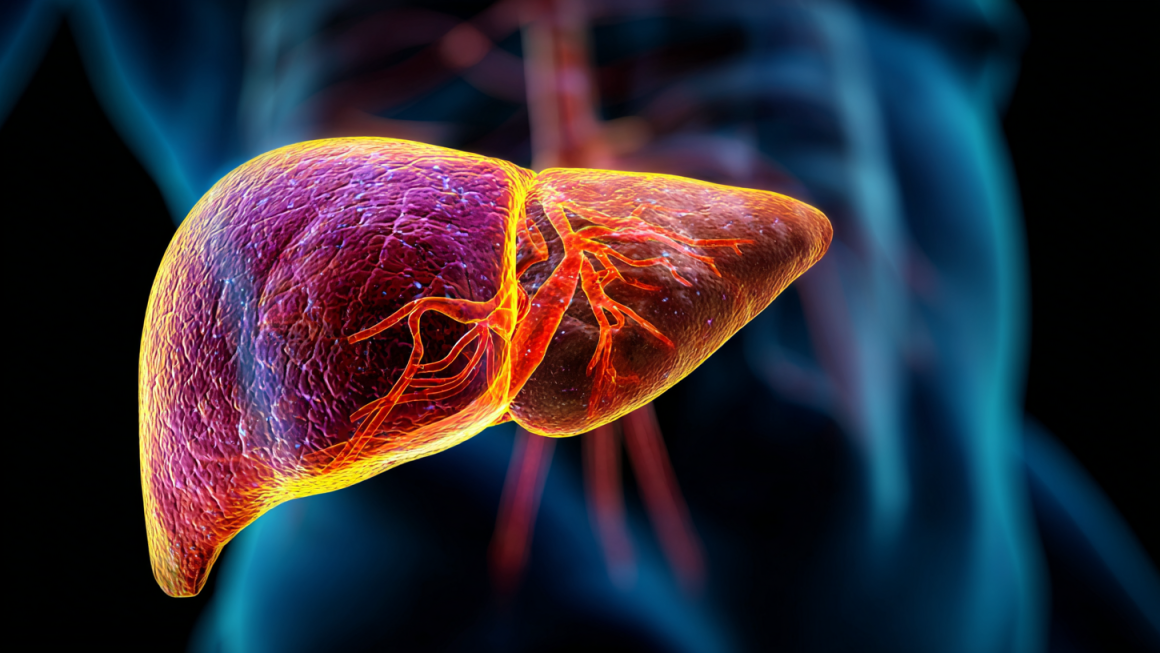
In today’s fast-paced world, our livers work overtime. This vital organ filters toxins from our blood, processes nutrients, and regulates metabolism—yet it’s often overlooked until problems arise. Liver conditions like fatty liver disease, hepatitis, or cirrhosis can lead to staggering medical bills, with treatments and hospital stays costing thousands annually. What if a humble herb, used for centuries, could offer support in maintaining liver health without breaking the bank? Enter milk thistle, a plant that’s been whispered about in herbal circles for ages. But is it more than folklore?
The Roots of Milk Thistle: From Ancient Remedy to Modern Supplement
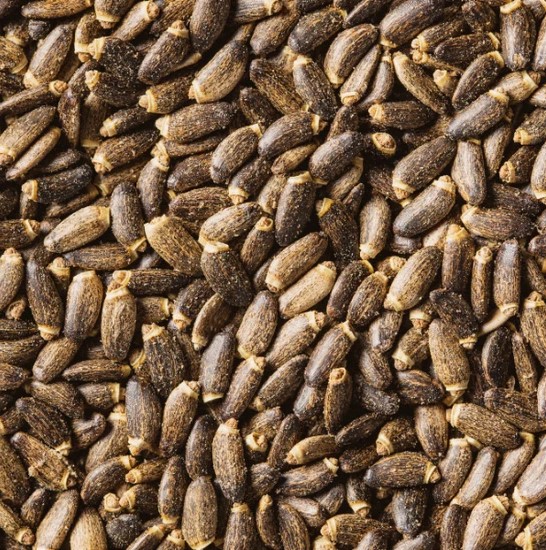
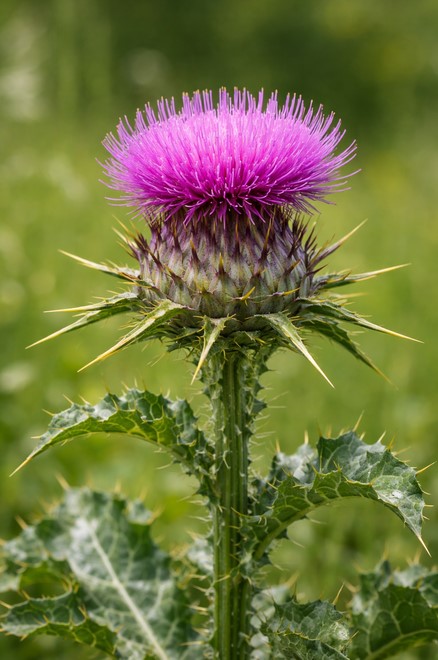
Milk thistle, scientifically known as Silybum marianum, is a flowering herb native to the Mediterranean region. Its distinctive purple blooms and spiny leaves have earned it nicknames like “holy thistle” or “Mary thistle,” tied to legends of the Virgin Mary’s milk staining its leaves. Historically, ancient physicians and herbalists turned to it for liver and gallbladder issues, using it to combat poisons and support detoxification as far back as Roman times. Today, it’s harvested for its seeds, which are ground into powders, extracts, or teas, and sold worldwide as a dietary supplement.
The star player in milk thistle is silymarin, a group of flavonolignans including silybin (also called silibinin), silychristin, and silydianin. Silybin is often highlighted as the most active component. These compounds are what give the herb its reputed liver-protective properties. Unlike synthetic drugs, milk thistle is plant-based, making it appealing for those seeking natural alternatives amid escalating healthcare expenses—where liver disease management can exceed $10,000 per year for some patients.
Your Liver: The Unsung Hero Under Siege
Before we delve deeper, let’s briefly touch on why liver health matters. The liver is your body’s largest internal organ, performing over 500 functions, from detoxifying harmful substances to storing vitamins and producing bile for digestion.
Modern lifestyles—rich in processed foods, alcohol, glyphosates, environmental pollutants, and medications—can overburden it, leading to conditions like nonalcoholic fatty liver disease (NAFLD), which affects up to 30% of adults in Western countries. These issues not only sap energy and cause discomfort, but also rack up costs through diagnostics, medications, and potential interventions. Natural supports like milk thistle, aim to ease this burden by bolstering the liver’s resilience.
The Science Behind the Scenes
So, how does this herb potentially work its magic? Research points to multiple mechanisms, though they’re not fully understood and may be multifaceted.
- Antioxidant Powerhouse: Silymarin acts as a free radical scavenger, neutralizing unstable molecules that damage cells. It boosts levels of protective enzymes like superoxide dismutase and glutathione peroxidase, helping shield liver cells from oxidative stress caused by toxins such as alcohol, acetaminophen, or carbon tetrachloride.
- Anti-Inflammatory Effects: By inhibiting pathways like NF-κB and regulating cytokines, milk thistle may reduce inflammation in the liver. This could help in conditions where chronic swelling leads to tissue damage.
- Antifibrotic Action: Fibrosis, or scarring, is a hallmark of advanced liver disease. Silymarin appears to hinder the transformation of stellate cells into myofibroblasts, reducing collagen buildup and potentially slowing fibrosis progression.
- Cell Membrane Protection and Regeneration: It may block toxins from entering cells and stimulate protein synthesis, aiding in liver cell repair.
In pharmacokinetics terms, silymarin is absorbed quickly but eliminated rapidly, often undergoing conjugation in the liver and excretion via bile and urine. These actions suggest milk thistle could serve as a supportive tool, especially for those facing everyday liver stressors, potentially cutting down on the need for pricier interventions.
Milk Thistle’s Liver Benefits
While milk thistle’s use spans millennia, modern science offers a mixed but intriguing picture. Let’s break down key findings from reviews and trials.
A comprehensive evidence report from the Agency for Healthcare Research and Quality (AHRQ) analyzed 16 prospective trials, mostly randomized and placebo-controlled, on liver diseases including alcoholic, toxin-induced, and viral types. Results showed possible improvements in liver enzymes (like AST and ALT) and histology in some studies, particularly for chronic alcoholic liver disease, but outcomes were inconsistent. Exploratory meta-analyses indicated small positive effects, though not always significant. Notably, survival benefits were hinted at in a few trials but not conclusively proven.
A systematic review and meta-analysis of 14 randomized trials echoed this caution, finding no reduction in mortality (odds ratio 0.8) or consistent histological improvements. There was a minor drop in ALT levels in chronic cases, but it was clinically negligible and faded in higher-quality or longer studies. The review concluded that while safe, milk thistle doesn’t clearly alter key liver markers.
More recent insights align with this. A 2020 review affirmed silymarin’s potential in drug-induced liver injury, fatty liver, and cirrhosis, attributing it to reduced oxidative stress. In NAFLD, trials have shown silymarin (600 mg/day for 12 months) reducing insulin resistance, fasting insulin, and transaminases better than some medications. A 2026 study on a nutraceutical blend including milk thistle reported significant improvements in liver enzymes (ALT, AST, ALP, GGT) in healthy participants, with no adverse events.
For specific scenarios, intravenous silibinin is approved in Europe as an antidote for Amanita mushroom poisoning. Emerging research also explores anti-cancer synergies and benefits for metabolic issues like diabetes, where it lowered blood glucose and HbA1c in trials. However, a 2025 study on liver supplements noted mixed results for milk thistle, with inconclusive evidence in meta-analyses.
Overall, while some studies suggest benefits—especially for enzyme levels and supportive care in NAFLD or toxin exposure—the evidence isn’t robust enough for definitive recommendations. Heterogeneity in study design, dosing, and patient groups contributes to this variability. More large-scale, long-term RCTs are needed.
Potential Benefits Beyond the Liver
Though primarily touted for liver support, milk thistle shows promise in other areas. For women over 65, it may aid in liver cell protection, antioxidant defenses, and mild digestive comfort. In broader contexts, it’s linked to improved insulin sensitivity, lipid profiles, and even skin health. Preclinical data hints at neuroprotective effects for conditions like Alzheimer’s or Parkinson’s, but human evidence is sparse.
Economically, with over 30% of adults concerned about liver detox, milk thistle’s affordability (often under $20 per bottle) positions it as a cost-effective option compared to prescription therapies.
Generally Well-Tolerated, But Not Risk-Free
Milk thistle is considered safe at typical doses (up to 700 mg three times daily for 24 weeks), with adverse effects rare and similar to placebo in trials. Common side effects include mild gastrointestinal issues like nausea, diarrhea, or bloating; headaches; or skin reactions. Allergic responses are possible, especially for those sensitive to the Asteraceae family (e.g., ragweed).
Interactions are a concern: It may affect CYP450 enzymes, potentially altering metabolism of drugs like diazepam, warfarin, or diabetes medications. Caution is advised in pregnancy, breastfeeding, or with renal issues, though data is limited. No pediatric safety info exists, and monitoring is recommended for older adults.
Incorporating Milk Thistle
If you’re considering milk thistle, opt for standardized extracts with 70-80% silymarin. Common doses range from 250-750 mg daily, divided into doses, but start low. Combine with lifestyle changes: a balanced diet, exercise, and limited alcohol. Some studies pair it with vitamin E for enhanced effects in NAFLD. Look for reputable brands to ensure purity, as the market grows—projected to expand due to rising preventive health awareness.
A Promising Ally
Milk thistle stands out as a time-tested herb with potential to support liver health through antioxidant, anti-inflammatory, and antifibrotic means. Some studies suggest benefits in reducing enzymes, aiding detoxification, and possibly cutting costs on liver-related care. Yet, the evidence is mixed, and it’s no substitute for medical treatment. As research evolves— with calls for better-standardized trials—it remains a viable complementary option for those exploring natural paths.
If liver concerns loom large in your life, this herb might spark a conversation with your doctor. Stay informed, prioritize whole health, and remember: true wellness starts with informed choices.
⚠️ DISCLAIMER: This content is for informational purposes only and is not intended to diagnose, treat, cure, or prevent any disease or medical condition. I am not a medical professional. Always seek the advice of your physician or qualified healthcare provider with any questions regarding your health.