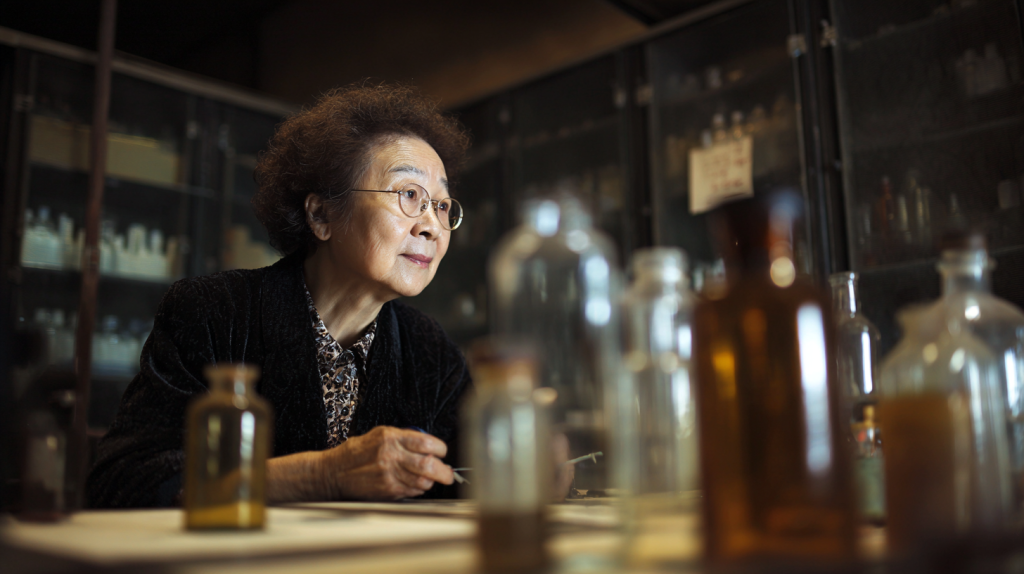
Imagine a scraggly, weedy plant that looks more like a roadside nuisance than a medical marvel. Now picture it earning a Nobel Prize and saving millions of lives from deadly diseases. That’s the story of sweet wormwood, or Artemisia annua—a “country girl” that’s climbed to the top of modern medicine, as Dr. Patrick Jones whimsically puts it in his engaging talks. Native to China but now thriving worldwide (except the icy poles), this annual herb has been a staple in traditional healing for over 2,000 years. Rediscovered in the 1970s by Chinese scientist Tu Youyou, its key compound, artemisinin, revolutionized malaria treatment and earned her the 2015 Nobel Prize in Physiology or Medicine.
But sweet wormwood’s talents go far beyond malaria. From battling viruses and parasites to showing promise against cancer cells, this plant packs a punch. In this deep dive, we’ll explore its history, botany, constituents, uses, preparations, and precautions—drawing from monographs, transcripts, and peer-reviewed studies. Let’s uncover why this “sweet Annie” deserves a spot in your herbal knowledge arsenal.
A Rich History: From Ancient Remedies to Modern Breakthroughs
Sweet wormwood’s roots trace back to ancient China, where it was known as qing hao. Historical texts like the Diannan Bencao Tushuo, describe it for “clearing heat” and tonifying Qi—treating fevers, chills, sores, and dysentery. For millennia, healers brewed it into teas for everything from skin issues to digestive woes. Its common names—sweet wormwood, sweet Annie, annual mugwort—reflect its evolution, with “Annie” perhaps a modern rebrand for appeal.
The modern chapter began in the 1960s amid China’s “Project 523,” a secret military effort to combat malaria ravaging troops in Vietnam. Tu Youyou scoured ancient recipes and extracted artemisinin from the plant’s aerial parts. Clinical trials with thousands of patients showed it cleared parasites faster than older drugs like chloroquine, with lower toxicity. Today, artemisinin-based combination therapies (ACTs) are WHO-recommended, saving countless lives in over 50 countries. Yet, traditional whole-plant uses persist, offering synergies that isolates can’t match.
Botany Basics: Understanding the Plant
Taxonomy and Etymology
Sweet wormwood belongs to the Asteraceae family (daisies), genus Artemisia—named after the Greek goddess Artemis, twin of Apollo and patron of wild places and the moon. Her love for rugged terrains mirrors where these silvery-blue plants thrive. “Annua” means “annual,” distinguishing it from perennial cousins like sagebrush or mugwort.
- Kingdom: Plantae
- Clade: Tracheophytes, Angiosperms, Eudicots, Asterids
- Order: Asterales
- Family: Asteraceae
- Genus: Artemisia
- Species:annua
Description
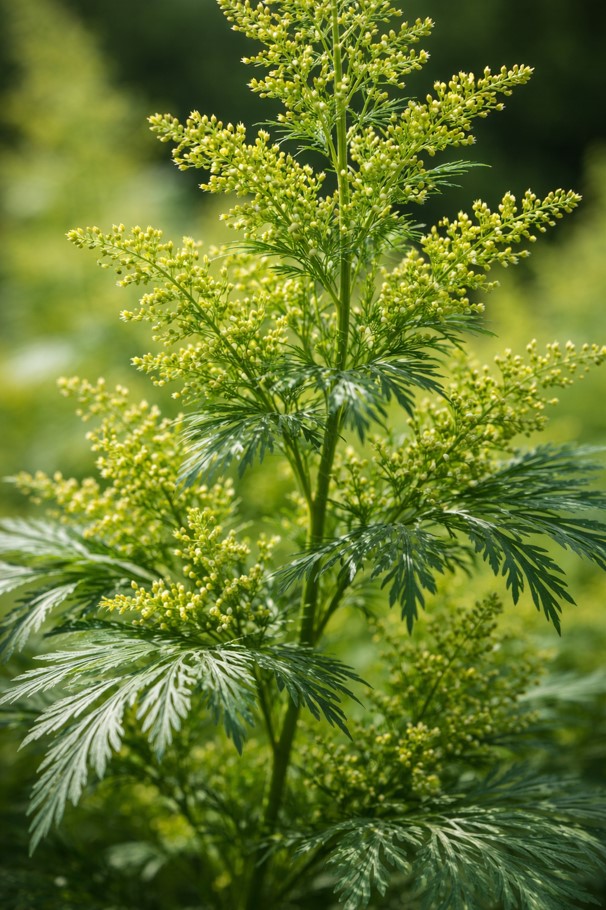
This hearty annual grows 12-80 inches tall and up to 40 inches wide, with green to purplish-brown stems, ridged and branched. Leaves are cool green, hairless, spirally arranged (sometimes opposite), and divided into smaller leaflets (3-5 cm long). Blossoms form loose, silvery-yellow clusters. Roots are fibrous with a short taproot, and seeds are tiny brown achenes (0.6-0.8 mm). It’s aromatic and unassuming—straight as a stick, as Dr. Jones jokes—but oh-so-talented.
Distribution and Similar Species
Native to temperate Asia (China), it’s now widespread across North and South America, Europe, Africa, Australia, and the Mediterranean—everywhere but Antarctica. It pops up in Idaho’s chilly climes, as noted in transcripts.
Beware confusion with cousins: The Artemisia genus has over 400 species, many medicinal but varying in safety. Common look-alikes include mugwort (A. vulgaris), wormwood (A. absinthium), southernwood (A. abrotanum), white sagebrush (A. ludoviciana), fragrant wormwood (A. capillaris), big sagebrush (A. tridentata), and tarragon (A. dracunculus). Some are toxic—always use the Latin name when sourcing.
Cultivation and Harvesting
Low-maintenance and hearty, sweet wormwood thrives in USDA zones 5-9 and is easy to grow. Direct-sow seeds weeks before last frost; seedlings need water, but mature plants prefer dry, poor, well-drained soil (slightly alkaline to acidic pH). Full sun to part shade; no fertilizer—low nitrogen/potassium boosts artemisinin. Reaches maturity in 6-8 months.
Cut back at 20 inches to encourage branching (cut to 12 inches), but skip in wet areas to avoid disease. Harvest top third at flowering (midday, dry conditions) for peak artemisinin in leaves, stems, and flowers. Dry immediately; one plant yields ½-1 lb powder. Roots are allelopathic—remove post-harvest to avoid inhibiting future crops.
Key Constituents: The Chemical Powerhouse
Sweet wormwood’s magic lies in over 20 synergistic compounds, but artemisinin (a sesquiterpene lactone) steals the show—antibacterial, antifungal, antileishmanial, antimalarial, antioxidant, antitumor, anti-inflammatory. Other players:
- Flavonoids (flavanols, flavanones, flavonols): Antioxidant, cardioprotective, hepatoprotective, anti-inflammatory, anticancer.
- Lignans: Anticancer, antimitotic, antiviral.
- Low-molecular-weight phenolics & Phenolic acids: Antioxidants.
- Terpenes: Antimicrobial.
- Essential oils, proteins, lipids, amino acids, vitamins, minerals (manganese, copper).
Whole-plant use enhances bioavailability; lipophilic artemisinin needs companions for optimal absorption.
Medicinal Applications: A Versatile Healer
Sweet wormwood’s actions—antibacterial, anticancer, antifungal, anthelmintic, antioxidant, antiprotozoal, antipyretic, antiviral, carminative—tackle diverse ailments. Use short-term; dosage: ¼-1 tsp tincture or 1-2 tsp powder, 2-3x daily.
Antimalarial and Antiprotozoal
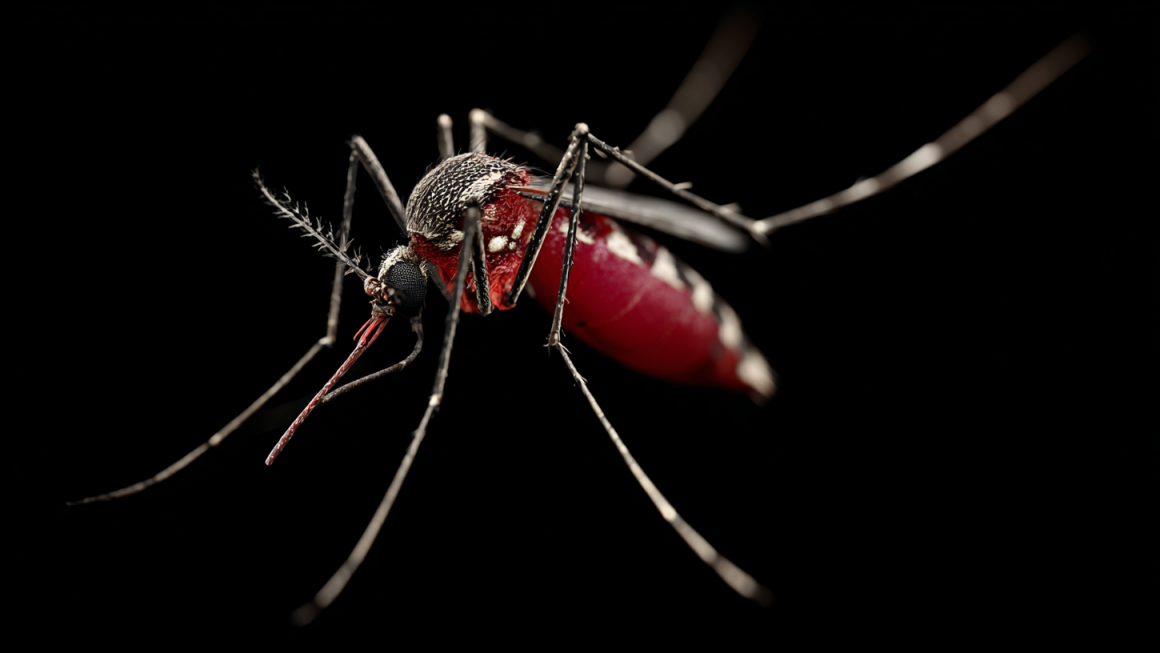
Its claim to fame: Artemisinin snatches iron from heme in parasites, creating toxic radicals that destroy them.
Effective against Plasmodium (malaria), Trypanosoma (sleeping sickness), Toxoplasma (toxoplasmosis), Cryptosporidium, Babesia, Giardia, Entamoeba histolytica (dysentery). Also erodes Schistosoma tegument for bilharzia.
Anticancer Potential
Artemisinin targets iron-rich cancer cells, generating radicals for apoptosis (cell death) via cytochrome C. In vitro/in vivo studies show cytotoxicity against breast, lung, colon, cervical lines; anti-angiogenic, anti-metastatic. Derivatives (dimers, hybrids) aim for better potency/short half-life issues. No large human trials yet, but promising for adjunct therapy.
Antiviral
Interferes with attachment/replication by binding spike proteins. Useful for rhinoviruses (colds), influenza, RSV (avoid in infants), coronaviruses (SARS, COVID). Synergizes with chaga/pine needles for immune boost.
Antiparasitic (Worms)
Kills roundworms (nematodes), tapeworms (cestodes), flatworms (Schistosoma).
Autoimmune and Anti-Inflammatory
Suppresses B-cell activation for Type 1 diabetes, Hashimoto’s thyroiditis, rheumatoid arthritis. Relieves contact dermatitis topically.
Antibacterial and Antifungal
Disrupts ribosomes like streptomycin; effective against E. coli, Staph aureus, Salmonella, Candida, etc.
Other Uses
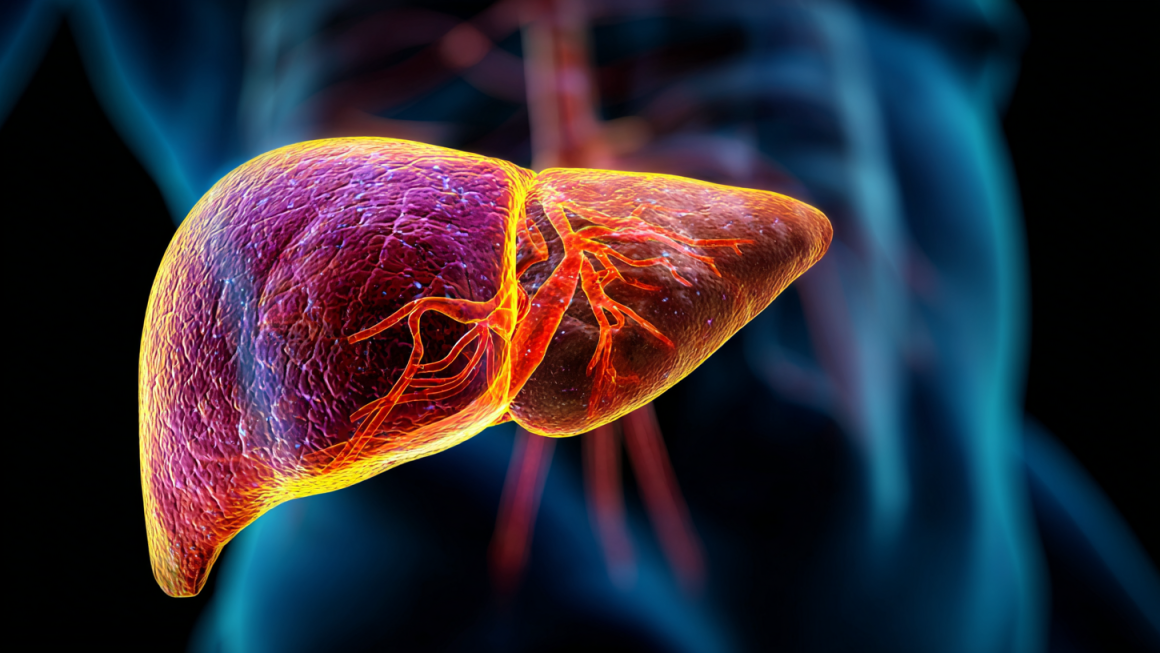
Lowers fevers (antipyretic), heals wounds, restores liver function (hepatoprotective), balances blood sugar/pressure.
Preparations: How to Use It
- Tincture: 1:5 herb:alcohol (100-180 proof); steep 2 weeks, shake daily.
- Tea: ½-1 tsp powder in hot (not boiling) water; steep covered, drink 2-3 cups/day. Bitter—add licorice/honey.
- Wound Spray: 1 tsp tincture in 2-4 oz water.
- Salve: Infuse in coconut oil, add beeswax.
- Synergies: Pair with chaga/pine needles for viruses; comfrey for wounds.
Veterinary Applications: For Furry Friends Too
Animals benefit similarly: For infections, parasites, wounds. Short-term only; avoid in pregnant/nursing pets, those with seizures, kidney/liver issues. Chickens: Add leaves to mash for coccidiosis prevention—boosts egg production!
Research Insights: Backed by Science
Studies validate uses: Artemisinin’s radicals target parasites/cancer. Whole-plant extracts show synergy, lower toxicity. Ongoing for COVID, autoimmune. GRAS status, but more human trials needed.
Plant Some Today!
Sweet wormwood is nature’s gift—a resilient plant with profound healing potential. From ancient teas to cutting-edge therapies, it reminds us of the untapped wonders in our backyards. If it’s not growing near you, cultivate some. Here’s to health from the humble—may sweet Annie inspire your wellness journey!
Note: Don’t combine herbs with medications without consulting your doctor. It’s not recommended to take this herb long-term or in large doses. Not for pregnancy/lactation (risks birth defects/abortion), epilepsy (increases seizures), kidney/heart disease, diabetics (lowers blood sugar), or Asteraceae allergies. High/prolonged doses may harm liver. Interacts with drugs: Speeds metabolism of paclitaxel, fluoxetine (Prozac), fentanyl, etc.—consult a doctor.
Disclaimer: This blog post is for educational and entertainment purposes only. I’m not a doctor, and nothing here should be taken as medical advice. Always consult a qualified healthcare professional before using any herb, especially if you have health conditions, are pregnant, nursing, or taking medications. Information on sweet wormwood (Artemisia annua) is drawn from traditional uses, scientific studies, and expert insights, but individual results may vary.