In a world where heart disease remains the leading cause of death globally, claiming millions of lives each year, many people are turning to natural remedies to support their cardiovascular health. Imagine a simple kitchen staple—not a pricey supplement or prescription drug—that might help reduce the risk of a heart attack or stroke. Enter cayenne pepper, a vibrant red spice known for its intense heat, but increasingly recognized for its potential role in promoting better circulation and blood pressure management. While I’m not a doctor and this isn’t medical advice, exploring the insights from herbal traditions and modern studies reveals an intriguing story. (Always consult your healthcare provider before incorporating new elements into your routine, especially if you have existing conditions.)

This blog post dives deep into the world of cayenne pepper, drawing from expert herbalist accounts in “Curing With Cayenne” by Sam Biser and Dr. Richard Schulze, as well as contemporary articles from reputable sources. We’ll examine how capsaicin—the compound responsible for that signature burn—might contribute to heart protection, share real-life stories of transformation, and offer practical tips for safe use. By the end, you’ll have a balanced view of whether this “supreme herb” deserves a spot in your wellness arsenal.
The Science of Capsaicin: How Cayenne Might Safeguard Your Heart
At the heart of cayenne’s potential benefits lies capsaicin, a bioactive compound found in chili peppers that gives them their spiciness. According to insights from health experts, capsaicin may act as a natural vasodilator, relaxing and widening blood vessels to improve blood flow and reduce strain on the heart. This could help lower blood pressure—a major risk factor for heart attacks—by stimulating nitric oxide production, which supports vessel flexibility and reduces inflammation.
One compelling piece of evidence comes from large-scale observational studies. For instance, a study involving over 22,000 participants in Italy found that those who consumed chili peppers more than four times a week had a 40% lower risk of death from heart attacks and a 50% reduced risk from strokes, regardless of their overall diet. Another massive study in China with over 500,000 people, tracked for seven years, showed that eating spicy foods six to seven days a week was linked to a 14% lower risk of overall mortality, with notable benefits for cardiovascular health. These findings suggest that regular incorporation of capsaicin-rich foods like cayenne, could play a preventive role, possibly by enhancing metabolism, reducing salt intake (as the spice adds flavor without sodium), and combating oxidative stress.
Animal studies further bolster this, indicating that capsaicin can lower high blood pressure and inflammation, though more human trials are needed to confirm these effects. A 2023 review, highlighted capsaicin’s antioxidant properties, which protect blood vessels from damage. As well as, its ability to influence gut health, indirectly lowering systemic inflammation that contributes to heart disease. Interestingly, capsaicin may even heighten sensitivity to salty tastes, encouraging people to use less salt in their meals—a simple change that could significantly impact blood pressure over time, as noted in a 2017 study.
However, it’s crucial to note that these benefits are associative and preventive, not curative. Cayenne isn’t proven to stop an ongoing heart attack, and relying on it as an emergency remedy lacks scientific backing. Side effects can include stomach upset, irritation, or interactions with medications like blood thinners, so moderation is key.
Herbal Wisdom: Lessons from Dr. Richard Schulze and Traditional Use
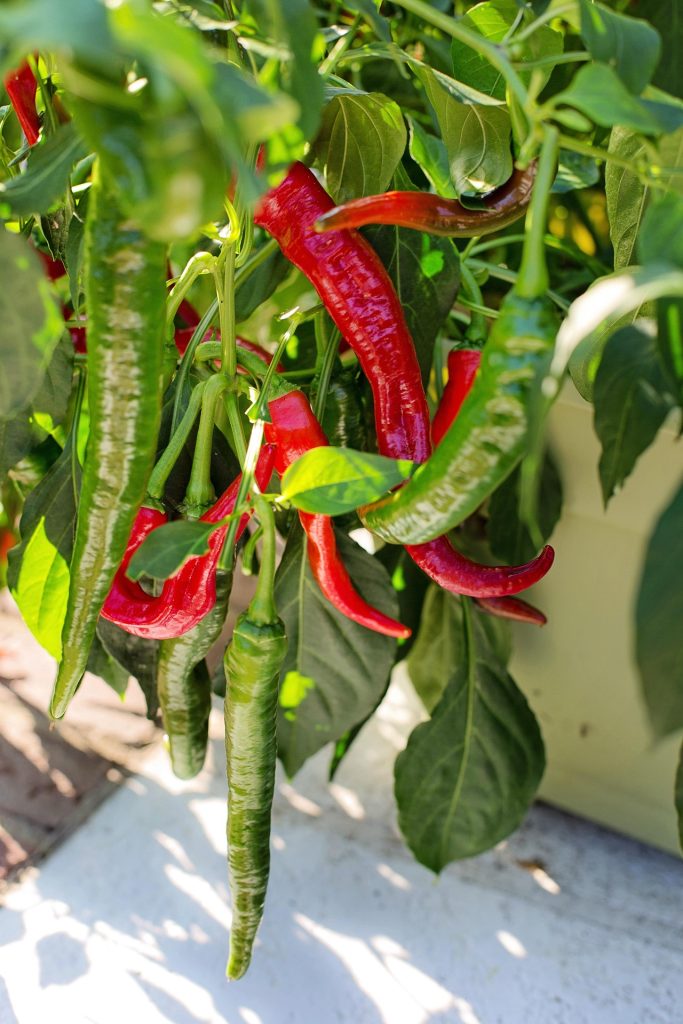
Beyond modern science, cayenne has a rich history in herbal medicine, often hailed as a “master herb” for its versatility. In his book, “Curing With Cayenne,” medical herbalist Dr. Richard Schulze shares profound insights from his clinic, where he treated critically ill patients. He describes cayenne as unequaled for balancing blood circulation, increasing heart action without raising blood pressure, and preventing strokes and heart attacks. Schulze emphasizes that cayenne acts as a catalyst, enhancing the effectiveness of other herbs and promoting overall organ secretion.
Schulze’s own story is particularly inspiring. Born with defective heart valves, he was told his condition would worsen by his teens. Starting with health food store capsules that did little, he noticed improvements after consuming hot sauce at a Chinese restaurant. This led him to experiment with higher doses, eventually curing his heart issues through cayenne’s ability to thin blood viscosity—from molasses-like sludge to free-flowing water. Overworked hearts, he explains, collapse under thick blood (leading to attacks), while cayenne supports smoother circulation, reducing strain on arteries and preventing blowouts in the brain (strokes).
The book also draws from Schulze’s teacher, Dr. John Christopher, who used cayenne during World War II as a natural alternative, amid pharmaceutical shortages. Christopher viewed it as a supreme disinfectant and stimulant, ideal for warding off diseases and healing ulcers while boosting heart function. Schulze took this further, teaching medical doctors in Europe and applying cayenne in his California clinic to help patients avoid surgeries. One case involved a woman with swollen ankles from poor heart pumping; alternating cayenne formulas hourly, got her out of danger in days, though full recovery took a year.
These accounts align with centuries-old uses listed in “Curing With Cayenne,” where the spice is recommended for heart disease, high blood pressure, strokes, and more. It’s rich in vitamins A, C, iron, calcium, and potassium, making it a nutrient powerhouse that supports tissue rebuilding and infection fighting.
Schulze himself faced persecution for curing “incurable” cases, including heart patients sent home to die. While controversial, this underscores cayenne’s potential as part of a holistic lifestyle, not a standalone fix.
Real-Life Transformations: Stories of Cayenne’s Impact on Heart Health
The true power of cayenne shines through personal anecdotes in Schulze’s work. Patients facing heart transplants, used cayenne compresses over the chest, combined with other herbs, to regenerate organs and cancel surgeries. Schulze claims this approach cleaned arteries not just in the heart but throughout the body—neck, legs, and brain—offering a non-invasive alternative to bypass procedures, which only target cardiac vessels.
In emergencies, cayenne’s role is dramatic. The book details using it to stop bleeding, shock, and even stabilize during heart attacks by improving blood flow instantly. One formula, normalized blood pressure in three days when paired with garlic, compared to three months with garlic alone. For irregular heartbeats, cayenne thins blood to ease the heart’s workload, avoiding the need for tranquilizers or antidepressants like Prozac. These stories highlight cayenne’s ability to address root causes like thick blood, which overtaxes the heart and leads to collapses or ruptures.
Of course, these are anecdotal and should be viewed cautiously. Modern sources echo preventive benefits but stress consulting professionals. However, observational data shows a 13% lower premature death risk with regular chili consumption, tied to fewer heart events.
Practical Guide: Incorporating Cayenne Safely for Heart Support
Ready to explore cayenne? Start small to build tolerance. Schulze recommends beginning with 1/4 teaspoon in warm water daily, increasing as needed. For heart formulas, combine with garlic for faster blood pressure normalization or use as a tea with lemon and honey for circulation boosts. Add it to meals to cut salt, potentially lowering hypertension risk.

Forms include powder for cooking or tinctures for potency. However, the author recommends to not use the capsule form. When cayenne is taken orally, it stimulates the salivary glands in your mouth, it signals your stomach to release the digestive acids needed for proper digestion, helping reduce digestive discomfort. It should be noted, Schulze’s high-dose approaches (up to 800 times standard in some formulas) were clinic-specific, so stick to moderate use at home. For emergencies, a slurry of cayenne in warm water will likely help aid circulation, but seek immediate medical help.
Cautions are essential: Avoid if you have ulcers, IBS, or take blood thinners, as it could cause irritation or interactions. Pregnant or breastfeeding individuals should consult doctors. Remember, cayenne complements—not replaces—a healthy diet, exercise, and medical care.
Spice Up Your Life, But Proceed with Care
Cayenne pepper emerges as a fascinating ally in the fight against heart attacks, blending ancient herbal wisdom with emerging science. From thinning blood and enhancing flow, to reducing inflammation, its potential is hard to ignore. Dr. Schulze’s experiences remind us that nature offers powerful tools, often overlooked in favor of pharmaceuticals.
Yet, this isn’t a miracle cure. Heart health demands a holistic approach: balanced nutrition, activity, stress management, and professional guidance. If cayenne intrigues you, start experimenting mindfully and monitor your body’s response. Who knows—this fiery spice might just add years to your life while adding flavor to your meals.
⚠️ DISCLAIMER: This content is for informational purposes only and is not intended to diagnose, treat, cure, or prevent any disease or medical condition. I am not a medical professional. Always seek the advice of your physician or qualified healthcare provider with any questions regarding your health.