In our fast-paced world where demanding jobs, endless multitasking, and chronic stress—are the norm, many non-athletes are turning to an unexpected ally: creatine. Once pigeonholed as a bodybuilder’s supplement, creatine is now making waves in wellness circles for its profound effects on cognitive function, mental health, and overall vitality. Emerging research and real-world anecdotes suggest this affordable, naturally occurring compound could be a game-changer for busy professionals, aging adults, and anyone seeking an edge without the gym grind. But what does the science say? Let’s dive deep into the evidence, debunk myths, and explore how creatine fits into everyday life.

Fueling More Than Muscles
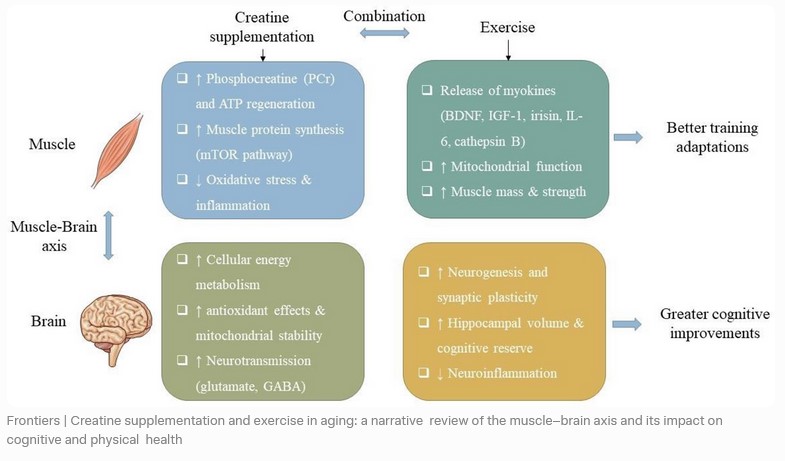
Creatine is a molecule produced in the body from amino acids, primarily stored in muscles and the brain as phosphocreatine. It acts as a rapid energy reserve, regenerating ATP—the cell’s energy currency—during high-demand activities. While athletes use it for explosive power, non-athletes benefit from its role in sustaining mental and metabolic energy. For those in high-stress environments, this means less brain fog and more resilience. Vegetarians, women, and older adults, often have lower natural levels, making supplementation particularly impactful.
Sharpening the Mind Under Pressure
Among the most talked-about trends right now is creatine’s rising role as a nootropic for everyday people beyond the gym. By boosting brain ATP levels, it enhances cognitive performance, especially during stress, sleep deprivation, or aging. A systematic review of six randomized controlled trials (RCTs) with 281 participants found improvements in short-term memory and intelligence/reasoning, particularly in stressed or aging individuals. Another meta-analysis of 16 RCTs involving 492 adults showed significant gains in memory (standardized mean difference [SMD] = 0.31) and processing speed (SMD = -0.51), with stronger effects in those aged 18-60 and females.
In real-life scenarios, like pulling an all-nighter, creatine shines. In one compelling, recent study, participants received a single, high dose of creatine (~20–30 g) midway through 21 hours of sleep deprivation. The result? Processing speed improved dramatically compared to placebo, with language tasks accelerating by 29.1% and numeric tasks by 24.0%—effectively helping restore (and in some cases surpass) performance levels seen when well-rested. On X, users echo this: one viral post described how 20g post-flight, combats jet lag, calling it “SEAL-backed” for cognitive dominance. Another user raved about obliterating brain fog with daily doses.
Evidence from Examine.com rates cognitive benefits as “good,” based on studies showing enhancements in memory, attention, and processing speed during fatigue or deprivation. For many, this translates to better focus during deadlines or meetings.
A Natural Ally Against Stress and Depression
Beyond cognition, creatine is gaining traction for mental health. It stabilizes brain energy, potentially alleviating depression and anxiety by influencing neurotransmitter function and reducing inflammation. In one trial, adding 5-10g daily to antidepressants sped up symptom relief, especially in women, with improvements up to 50%. A narrative review highlights its promise for mood disorders via brain energy metabolism.
For non-clinical stress, creatine reduces mental fatigue and enhances resilience. Studies show it improves mood during sleep deprivation, with one noting better subjective well-being. X discussions amplify this: “Creatine isn’t just for muscle—it’s a core nutrient for sharper cognition and better mood,” one user posted, garnering thousands of likes. In high-demand roles, this could mean fewer “mid-afternoon crashes” and more emotional stability.

Combating Fatigue: Sustaining Energy for Daily Demands
Chronic fatigue plagues many in fast-paced lives, but creatine offers relief by buffering energy deficits in cells. One small but influential pilot study gave children and teens with traumatic brain injury a daily dose of creatine (0.4 g/kg) for six months. The results were impressive: compared to controls, the supplemented group experienced far fewer instances of fatigue, dramatically fewer headaches, and significantly less dizziness—highlighting creatine’s promising role in easing persistent symptoms after brain injury. For healthy adults, it cuts cognitive fatigue during demanding tasks.
Combining creatine with light resistance training or everyday movement, significantly amplifies its advantages—from enhanced muscle preservation and strength gains to better fatigue resistance—yet it remains highly effective on its own, delivering sustained vitality, reduced mental fatigue, and metabolic support for those leading busy, non-athletic lifestyles. Users on X report “more mental energy” in high-demand jobs, with one calling it the “cheapest nootropic” for grinders.
Aging and Longevity: Building Resilience Over Time
As longevity trends boom, creatine is spotlighted for anti-aging perks. It combats sarcopenia (age-related muscle loss), boosts bone density, and supports metabolic health. In older adults, combining creatine with resistance training, increases strength (10 studies, 1,093 participants) and functionality. It may also protect against neurodegenerative diseases like Alzheimer’s by reducing oxidative stress and boosting brain energy.
For women in perimenopause, creatine preserves muscle, bone, and mood amid hormonal shifts. X threads push it as essential over 30, with benefits for immune and reproductive health.
Safety, Dosing, and Getting Started: Myths Busted
Old fears of kidney damage have been debunked—long-term studies show no harm in healthy adults. Minor side effects like bloating occur, but they’re rare at maintenance doses. Consult a doctor if you have pre-existing conditions.
Optimal dosing for non-athletes:
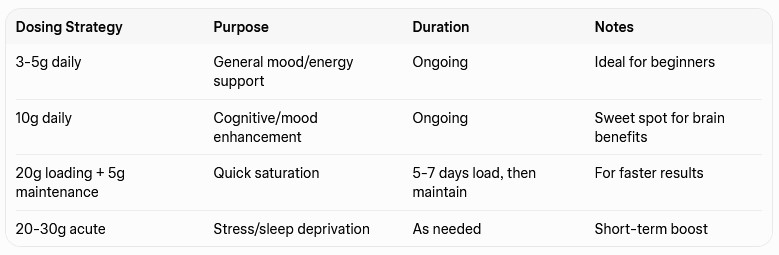
- Loading Phase (optional): 20g/day (divided into 4 doses) for 5-7 days to saturate stores.
- Maintenance: 3-5g/day for ongoing benefits; up to 10g for cognitive focus or stress.
- High-Dose for Acute Needs: 20-30g for jet lag or all-nighters. Creatine monohydrate is the gold standard—cheap, effective, and backed by evidence. Take with meals for better absorption, and stay hydrated.
Why Creatine Deserves a Spot in Your Routine
Creatine isn’t just for athletes—it’s a versatile tool for non-athletes navigating busy lives, offering cognitive sharpness, mood stability, fatigue relief, and longevity support. Backed by randomized controlled trials, meta-analyses, and user testimonials, it’s safe, affordable (under $0.10/day), and underutilized. Whether you’re a professional battling burnout or an older adult prioritizing vitality, consider adding it. Start low, track your energy, and consult a pro. In a world demanding more, creatine helps you deliver.
⚠️ DISCLAIMER: This content is for informational purposes only and is not intended to diagnose, treat, cure, or prevent any disease or medical condition. I am not a medical professional. Always seek the advice of your physician or qualified healthcare provider with any questions regarding your health.