
In the world of simple, everyday natural remedies, few things feel as quietly powerful as a common kitchen herb that’s been growing in gardens and pots for centuries. Rosemary — that fragrant, evergreen shrub you might already have sitting on your windowsill or in your spice rack — has earned a nickname in folk traditions and online circles: “natural morphine” or “nature’s morphine.”
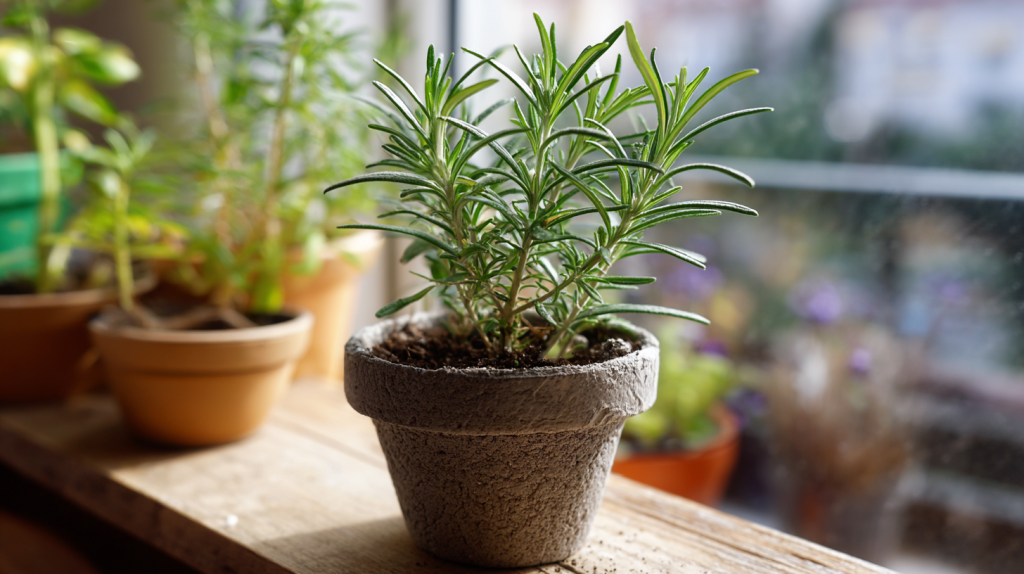
It’s not hard to see why the name sticks. People dealing with nagging muscle aches, stiff joints from rheumatism, the deep burn of gout flares, or just the everyday wear and tear of life have shared stories of turning to rosemary when other options felt too expensive, too harsh, or simply not enough. This isn’t about miracle cures or replacing medical care — it’s about what many have found helpful in their own routines, often right from their own kitchens.
Why Rosemary Earns That Nickname in Everyday Use
Rosemary (Rosmarinus officinalis, sometimes listed as Salvia rosmarinus) is packed with natural compounds like rosmarinic acid, carnosic acid, and carnosol. In traditional folk practices, especially around the Mediterranean where it grows wild, people have long reached for its leaves and oils to ease inflammation, support better circulation, and calm discomfort in muscles and joints.
Many who use it regularly report that these compounds seem to help the body respond more gently to the inflammatory processes that make joints swell, muscles tighten, or gout attacks feel unbearable. It’s often described as providing a warming, soothing effect — like improved blood flow brings fresh relief to tired tissues, while the herb’s properties help dial down everyday oxidative stress that keeps chronic aches lingering.
For muscle pain and spasms, folks often mention a noticeable calming sensation, sometimes within minutes when applied topically. With stiff joints or rheumatic discomfort, consistent use (like daily tea or oil massages) leads many to say mornings feel looser and less rigid. And for gout flares — those intense, fiery episodes — people combine rosemary with simple tweaks like tart cherry and note the swelling and heat seem to settle more quickly than expected.
This isn’t the same as pharmaceutical pain relief (rosemary doesn’t act on the brain’s opioid pathways like morphine does), but the gentle, multi-angle support it offers is exactly why so many keep coming back to it as a daily ally.
Simple Ways People Incorporate Rosemary for Comfort
Here are the methods that come up most often in shared experiences — easy, low-cost, and straightforward:
Daily Rosemary Tea Steep 1–2 teaspoons of fresh or dried rosemary leaves in hot water for about 10 minutes. Many sip 2–3 cups a day and notice their baseline stiffness or aches feel more manageable over time. A squeeze of lemon adds brightness and extra comfort for some.

Homemade Rosemary-Infused Oil (Great for Targeted Spots) Fill a clean jar with fresh rosemary sprigs, cover completely with olive oil or jojoba oil, and let it sit in a sunny spot for 2–4 weeks (shake occasionally). Strain and use. People massage this into sore muscles, stiff knees, rheumatic areas, or even gouty toes morning and night. The warmth from rubbing it in, combined with the herb’s aroma, brings a lot of immediate soothing for many.
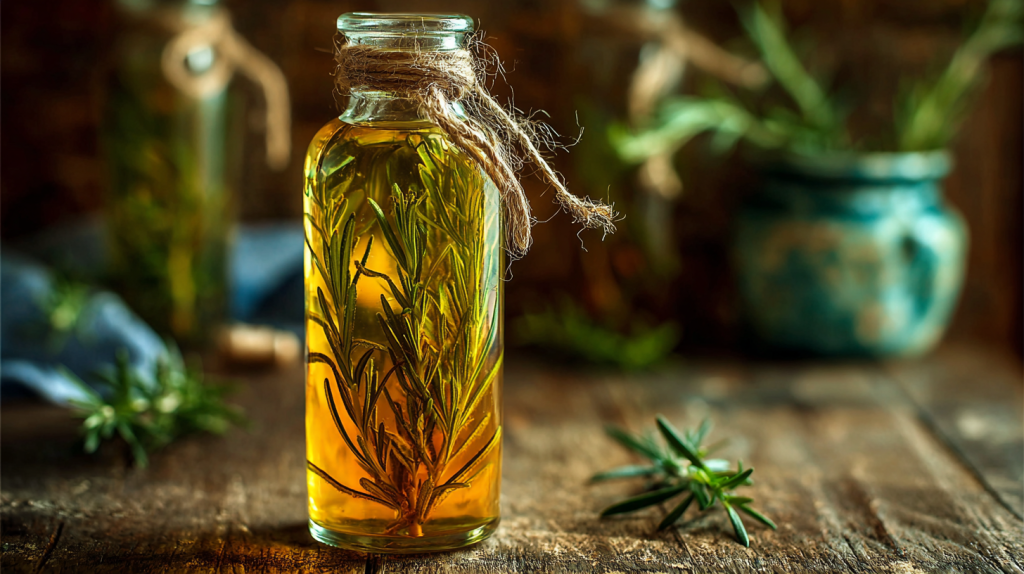
Quick Topical Boost with Diluted Essential Oil Mix a few drops of rosemary essential oil into a carrier oil (like the infused one above or plain coconut/olive). Rub in gentle circles on tense spots. Plenty of users say muscle spasms or tight areas quiet down noticeably faster this way — often in 15–20 minutes.

Start small, pay attention to how your body feels, and adjust accordingly. Rosemary is generally well-tolerated in food-like amounts, but if you’re pregnant, have high blood pressure, epilepsy, or take certain medications (like blood thinners), check with a healthcare provider first — the same way you would with any herb.
A Gentle, Accessible Ally Growing Right at Home
The beauty of rosemary lies in its simplicity. It costs pennies per use, grows easily in pots or gardens (even on a balcony), and doubles as a flavorful addition to meals. Many who try one method end up exploring more, building a little routine that feels supportive rather than clinical.
If you’re tired of expensive options or side-effect worries, experimenting with this humble herb might bring a bit of that quiet relief so many talk about. Pick up a fresh bunch next grocery trip, or snip some from a plant — and see what it does for you.
Stay gentle with yourself, keep it green, and here’s to feeling a little more at ease every day. 🌿
Disclaimer: This blog post is for informational purposes only and does not constitute medical advice. Always consult a qualified healthcare professional before starting any new health protocol.